The invisible foundation of childhood wellness
A child's gut is home to trillions of microbes that shape digestion, mood, immunity, and long-term health — starting in the earliest years of life. This page is your complete parent's guide.
Everything a parent needs to know
The essentials, in order — what's normal, what's not, what to feed, and when to test.
Start Here: Gut Health 101 for Parents
The plain-language basics every parent should know before anything else.
Read article →Step 2 · 6 min readWhat's Normal at Every Age
Stool, appetite, and digestion milestones from infancy through the teen years.
Read article →Step 3 · 5 min readRed Flags That Deserve a Doctor's Visit
Blood, weight loss, night pain, and other signs not to wait on.
Read article →Step 4 · 8 min readBuilding a Gut-Friendly Weekly Menu
Realistic meals kids will actually eat, built around fiber and variety.
Read article →Step 5 · 6 min readAntibiotics and the Microbiome
How to support recovery when antibiotics are necessary.
Read article →Step 6 · 5 min readPreparing for an At-Home Gut Test
A calm, step-by-step walkthrough for the whole family.
Read article →
A child's microbiome develops rapidly through the first years of life — influenced by birth, diet, environment, and daily rhythms. The result is a living ecosystem that touches nearly every system in the body.
"When we understand the gut, we understand more about how a child grows, feels, and thrives."
Symptoms like recurring stomach aches, constipation, and fatigue aren't always temporary. They can be an invitation to ask better questions — and to bring more information to your next pediatric visit.
How your child's gut grows up
The microbiome isn't static — it matures alongside your child. Here's what to know at every stage.
- 0–12 Months
Building the Foundation
Birth method, breast milk or formula, and early exposures seed your baby's first microbes. This is the fastest period of microbiome change in life.
- 1–3 Years
Rapid Diversification
Solid foods transform the gut ecosystem. Fiber variety, outdoor play, and even family pets all help shape a resilient microbiome.
- 4–8 Years
School-Age Shifts
New environments, stress, sick days, and antibiotics can shift gut balance. Recurring tummy aches often begin here.
- 9–12 Years
Growing Independence
Kids make more of their own food choices. Habits built now — fiber, hydration, sleep — set the stage for the teen years.
- Teens
Hormones & the Gut
Puberty, busy schedules, and diet changes influence digestion, mood, and skin. The gut-brain connection matters more than ever.
What parents notice first
Recurring Tummy Aches
Occasional aches are normal. Weekly or daily complaints deserve a closer look at diet, stress, and gut balance.
Constipation
One of the most common childhood digestive issues. Fiber, fluids, and movement are the first line of support.
Picky Eating
A narrow diet means narrow microbial diversity. Gentle exposure to new foods — without pressure — works best.
Bloating & Gas
Can signal food sensitivities, fast eating, or an imbalanced microbiome.
Low Energy & Mood Shifts
The gut produces much of the body's serotonin. Digestive health and emotional health are deeply connected in children.
Frequent Sick Days
Since 70% of the immune system lives in the gut, a supported microbiome is a child's quiet ally.
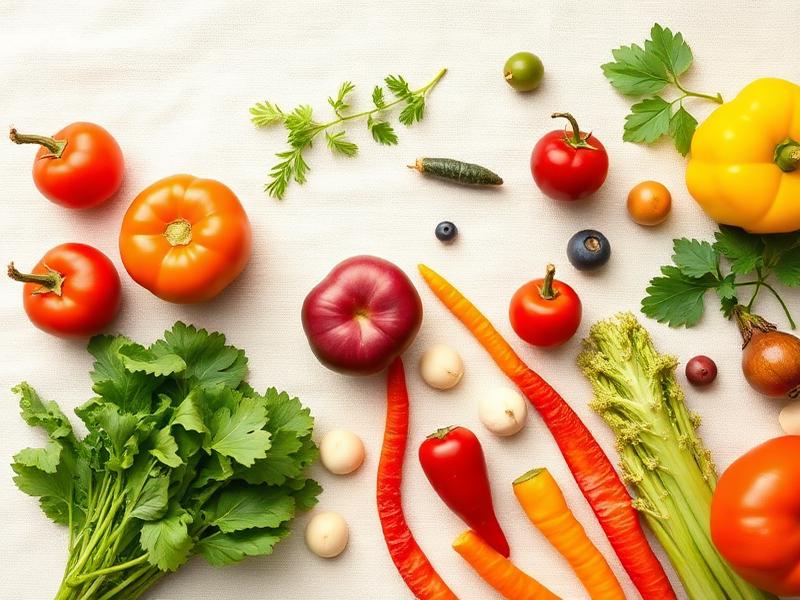
Little plates, big impact
Kids don't need a perfect diet — they need a varied one. Every different plant food feeds different beneficial microbes. Small, repeated wins (one new veggie a week, yogurt at breakfast, fruit instead of juice) compound into real gut diversity.
Download Our Parent GuidesSix habits that support a child's gut
Feed the Good Bugs
Aim for 20+ different plant foods a week — fruits, veggies, whole grains, beans. Variety beats perfection.
Protect Sleep
The microbiome follows a daily rhythm. Consistent sleep supports digestion and immunity.
Use Antibiotics Wisely
Sometimes necessary — and gut recovery matters afterward. Ask your pediatrician about probiotic support.
Make Water the Default
Hydration keeps digestion moving. Keep water bottles visible and sugary drinks occasional.
Watch the Pattern, Not the Day
One off day is normal. A symptom journal helps you spot patterns worth mentioning at the next visit.
Ask Better Questions
Bring specifics to your pediatrician: frequency, timing, foods involved. Testing can add objective insight.
Red flags that deserve a prompt visit
Most digestive ups and downs are normal. These signs are not — don't wait on them.
- Blood in the stool
- Unexplained weight loss or poor growth
- Pain that wakes your child at night
- Persistent vomiting
- Severe or worsening abdominal pain
- Diarrhea lasting more than two weeks
Deeper insight for your child's gut
The Kihealth Gut Health Test offers at-home, educational insight into your child's microbiome — a thoughtful starting point for your next pediatric conversation.